
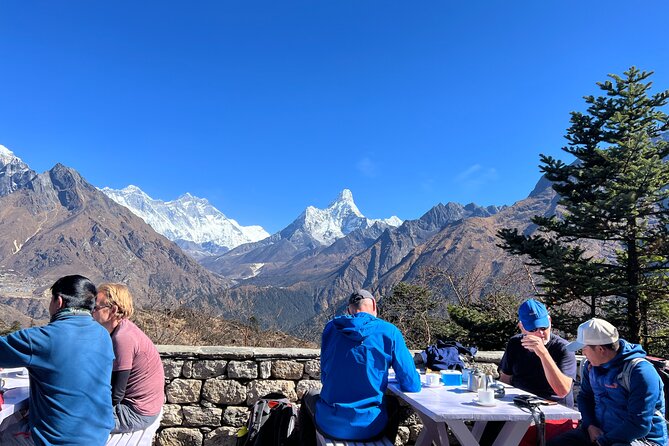
REVIEW · EVEREST & HIMALAYA HELICOPTER TOURS
Everest Base Camp Trek with Helicopter Return -11 Days
The mountains are only half the story. This 11-day Everest Base Camp trek gives you the classic high-altitude route through Namche Bazaar, Tengboche, Dingboche, Lobuche, Gorakshep, and Kalapatthar, then replaces the long walk back with a helicopter flight to Kathmandu. That makes it appealing if you want the full ascent but have less time for the return journey.
I like the built-in acclimatization days in Namche and Dingboche, and I like the practical support: a guide, porters, meals, lodge stays, permits, airport transfers, and a duffle bag are included. The main catch is the $3,500 price, which is a serious outlay, and the trek remains physically demanding despite the helicopter ride home.
The most encouraging part is the consistent praise for the company’s care and organization. Guides such as Prakash Adhikari and Dikpal are singled out for safety, patience, and good judgment, while Bhagwat is praised for planning and quick help when plans became complicated. Still, you should treat the return flight as weather-dependent, not guaranteed.
Key things to know before booking
- Kalapatthar reaches 5,545 meters, giving you the famous high viewpoint for Mount Everest and nearby peaks.
- The helicopter saves several trekking days, but you still walk up to Everest Base Camp and spend nights at high altitude.
- Two acclimatization days are included, one around Namche Bazaar and one in Dingboche.
- A porter is provided for every two clients, while guides handle route support, safety, and practical decisions.
- The helicopter return is shared, so this is not a private helicopter charter.
- The $3,500 cost covers major essentials, but insurance, drinks, hot showers, laundry, tips, and personal expenses are extra.
What the 11-day route really offers
This is not a soft adventure wrapped in a scenic flight. You walk for most of the journey, often for five to seven hours a day, and the altitude becomes the main challenge after Namche. The helicopter simply cuts out the return trek from Gorakshep, which normally adds several demanding days.
The route is well chosen for a short Everest Base Camp schedule. You get time to adjust in Namche and Dingboche, visit the important villages and monastery, reach Base Camp, climb to Kalapatthar, and return to Kathmandu without retracing the full trail on foot.
I would describe the pace as efficient rather than leisurely. If you want long village stays, side trips, or plenty of spare days for bad weather, a longer itinerary may suit you better. If your priority is reaching Everest Base Camp within a limited holiday, this plan makes good use of each day.
More Himalaya Helicopter Tours in Kathmandu:
- Everest Base Camp Helicopter Tour landing at Everest View Hotel
★ 5.0 · 668 reviews - Everest Base Camp Helicopter Tour landing at Hotel Everest View
★ 5.0 · 218 reviews - Everest Base Camp Trek with Helicopter Return from Gorakshep to Lukla
★ 5.0 · 161 reviews
Day 1: Arrival in Kathmandu
Your experience begins with pickup at Tribhuvan International Airport and a private vehicle transfer to the hotel. Two nights in a three-star Kathmandu hotel with breakfast are included, one at the beginning and one after the trek.
The first day is mainly about arrival, rest, and preparation. The early start on the following morning means you should avoid treating arrival night as a late evening in the city. You may have time to look around Kathmandu, but the mountain schedule comes first.
The final Kathmandu night includes a farewell dinner at an authentic Nepalese restaurant with cultural performance. That is a pleasant way to close the trip, especially after returning from the high country, though the schedule may leave you tired.
Day 2: Lukla and the first walk to Phakding
The morning begins at 6:00 am, with a flight toward Lukla at 2,860 meters. The arrangements allow for a Kathmandu to Lukla or Ramechhap to Lukla flight, depending on the operating plan.
From Lukla, you trek to Phakding at 2,610 meters. The walk takes about three to four hours, making this a manageable first day on foot. You will sleep in a lodge or tea house, with breakfast, lunch, and dinner included.
This opening walk matters because it eases you into the rhythm of the route. You are not immediately asked to cover a huge distance, but you do begin walking on mountain paths after a flight and an early start. Keep your daypack light and save energy for the days ahead.
Day 3: Phakding to Namche Bazaar
The six to seven-hour walk from Phakding to Namche Bazaar is a major step up in effort. Namche sits at 3,446 meters, and the trail begins to feel more serious as you gain height.
Namche is the main trading center of the Khumbu region and an important place to rest before heading higher. It is also where the itinerary gives you a proper acclimatization day, which is one of the strongest features of this program.
The included meals are useful here. Food costs can rise in the Everest region, and having breakfast, lunch, and dinner covered makes the price easier to understand. Bottled water, coffee, and tea are not included, so you should budget separately for drinks.
More Heli-Hike Trips in Kathmandu:
- Everest Base Camp Trek with Helicopter Return to Lukla – 10 Days
★ 5.0 · 34 reviews - Helicopter Return Everest Base Camp Trek, KTM-LUKLA & Gorakshep-KTM by Heli
★ 5.0 · 9 reviews - Everest Base Camp Trek with Helicopter Return – 10 Days
★ 5.0 · 9 reviews - Everest Base Camp trek with Helicopter return 9 days
★ 5.0 · 8 reviews
Day 4: Acclimatization around Namche
This is not a day for staying in bed. The schedule takes you to Khumjung Village and the Hotel Everest View at 3,880 meters. The purpose is to gain height during the day and return to Namche for sleep, helping your body adjust to thinner air.
Khumjung gives you a closer look at life in the high Khumbu villages, while the Hotel Everest View provides a strong mountain outlook. The day also breaks up the long upward push, which is important before Tengboche and Dingboche.
Altitude affects people differently, so do not treat this as a casual sightseeing day. Walk steadily, drink enough, and tell your guide if you develop a headache, unusual tiredness, or other symptoms. The company includes travel and rescue arrangements and carries a first aid kit, but good communication remains essential.
Day 5: Namche to Tengboche and its monastery
The route from Namche to Tengboche takes about five to six hours and reaches 3,860 meters. Tengboche is famous for its monastery, described as the largest in the Everest region.
The monastery is more than a quick photo stop. It gives the trek a cultural center, not just a sequence of mountain views. You also move through rhododendron and juniper country, which adds variety before the trail becomes more open and rugged at higher elevations.
Tengboche is a good example of why a guided trek can add value. A good guide can help you understand the place, manage the walking pace, and keep an eye on how you are handling the altitude. Previous clients repeatedly praised the company’s guides for encouragement and attention to safety. Prakash Adhikari is named often, while Dikpal received especially strong praise for being considerate and helpful.
Day 6: Tengboche to Dingboche
The five to six-hour walk to Dingboche reaches 4,360 meters. The route is described as relatively steep and passes through rhododendron and juniper forests before opening into the higher mountain country.
Dingboche is an important turning point. You are now high enough that the next acclimatization day is not optional padding. It is a sensible part of the plan and gives you a chance to adjust before the trail rises toward Lobuche and Gorakshep.
The accommodation is in lodges or tea houses rather than hotels. That means simple mountain lodging, shared facilities may be part of the experience, and personal comforts cost extra. Hot showers, laundry, battery charging, phone calls, and extra porters are specifically excluded.
Day 7: Acclimatization in Dingboche
The second acclimatization day takes place at 4,360 meters. This is a valuable pause before the hardest section of the trek.
You should use the day to move gently, rest, organize your layers, and check your daypack. Your guide can help assess how you are responding to the altitude. The itinerary does not promise a particular side walk, so you should not expect a fixed excursion beyond the stated acclimatization day.
The inclusion of this rest day also explains why the trip cannot simply be compressed much further without making the schedule more punishing. The helicopter removes the descent, not the need to acclimatize on the ascent.
Day 8: Dingboche to Lobuche
The walk to Lobuche takes around five to six hours and reaches 4,910 meters. At this height, even a moderate walking day can feel strenuous.
This is where the route becomes more austere. You are far above the lower forests and villages, and the cold, altitude, and reduced oxygen become central parts of the experience. Keep your pace slow and steady. Racing ahead usually gains you nothing.
Lobuche is also one of the final overnight stops before Base Camp. The lodge stay is functional rather than luxurious, so manage your expectations. The included meals are welcome, but drinks and personal comforts remain your responsibility.
Day 9: Everest Base Camp and Gorakshep
This is the big walking day. You trek from Lobuche to Everest Base Camp at 5,360 meters, then continue to Gorakshep at 5,160 meters. The total walking time is about six to seven hours.
Reaching Base Camp is a major personal milestone, but it is important to understand the view. Mount Everest itself is not necessarily the main visual feature from Base Camp. The broader appeal is standing at the starting point used by climbers and seeing the high peaks and glacial surroundings from close range.
Gorakshep is your overnight base before Kalapatthar. The altitude is severe, and sleep may be difficult for some people. Your guide’s judgment matters here. The company describes its guides as experienced and provides travel and rescue arrangements, but no operator can remove the physical effects of sleeping above 5,000 meters.
Day 10: Kalapatthar and the helicopter return
The final mountain morning takes you from Gorakshep to Kalapatthar at 5,545 meters. The climb takes about three to four hours and is the highest point on the route.
Kalapatthar is the main viewpoint for Mount Everest and several other famous peaks. Many people consider it the visual high point of the trek because it gives a broad mountain panorama, while Base Camp is more about the achievement and location.
After Kalapatthar, you return to Kathmandu by shared helicopter. The flight is included from the Gorakshep area to Kathmandu, but it is not a private aircraft reserved solely for your group. The helicopter also depends on suitable weather, so the schedule can change if conditions are poor.
That weather clause is important. A helicopter return is a helpful shortcut, not a magic guarantee. If the flight cannot operate, you need to be prepared for a delay or a changed plan. The cancellation terms allow a full refund if the operator cancels because of poor weather, or you may be offered another date.
The itinerary lists breakfast and dinner on this day. Since the day begins high in the mountains and ends in Kathmandu, keep essentials in your daypack and avoid packing anything you may need into the duffle bag.
Day 11: Departure from Kathmandu
The final day includes breakfast and airport departure. Since the trek returns to Kathmandu on Day 10, you have a little breathing room before leaving, though the exact amount depends on flight timing.
The airport transfer arrangements at the start and end are a practical benefit. You do not have to negotiate a transfer immediately after an international arrival or after a long mountain day.
What the $3,500 price includes
At $3,500 per person, this is expensive compared with a standard trekking package that includes a return on foot. The helicopter is the main reason for the higher price, and helicopter operations in the Everest region are a significant cost.
The package also includes several items that reduce planning work:
- Airport pickup and private hotel transfer
- Two nights in a three-star Kathmandu hotel with breakfast
- Lodge or tea house accommodation during the trek
- Breakfast, lunch, and dinner during the trekking days
- TIMS permit and Khumbu Valley fees
- Necessary paperwork
- Kathmandu or Ramechhap to Lukla flight arrangements
- A guide and one porter for every two clients
- Duffle bag use during the trek
- Company T-shirt
- First aid supplies
- Travel and rescue arrangements
- Shared helicopter return
- Farewell dinner with cultural performance
I see the package as good value for someone who specifically wants the helicopter shortcut and prefers one company to handle the main logistics. It is less attractive if you are comfortable arranging a slower trek yourself or if you mainly want the lowest possible price.
Ask about solo or odd-numbered groups before booking. One client specifically noted that an extra fee can apply in that situation. That detail could affect the final price substantially.
The support team and what to expect
The strongest pattern in the feedback is personal care. The company owner, Bhagwat Simkhada, is praised for planning help, prompt answers, and finding solutions when weather or flooding threatened to disrupt a trip.
Prakash Adhikari receives repeated praise for humor, route awareness, encouragement, and safety-focused leadership. Dikpal is also praised for being informed, considerate, and helpful. These names do not guarantee who will lead your group, so confirm your guide before departure, but they show the kind of support the company aims to provide.
The guide and porter system also affects your daily comfort. One porter for two clients is a standard arrangement, but pack thoughtfully and clarify the luggage limit before you go. Your daypack should hold the items you need while walking, while the duffle bag handles the bulk of your gear.
Tips are not included. Set aside money for your guide and porter, along with drinks, showers, laundry, charging, phone use, and any extra porter support.
Who should choose this trek?
I would recommend it to you if you:
- Want to reach Everest Base Camp but have only 11 days
- Can manage repeated five to seven-hour walking days
- Prefer organized support over handling permits and transport yourself
- Value acclimatization days and guided safety decisions
- Are willing to pay more for a helicopter return
- Want a private group rather than a mixed public departure
I would hesitate if you:
- Have limited mountain walking experience and are underestimating the altitude
- Need a fixed return time from Gorakshep
- Want a luxury hotel and private bathroom throughout
- Are traveling alone and have not confirmed possible extra charges
- Cannot accept a weather-related change to the helicopter plan
A moderate fitness level is required, but that phrase should not be read as easy. The itinerary reaches 5,545 meters and includes several long walking days. Training with regular uphill walks and a loaded daypack would be sensible.
Practical booking advice
Confirm the Lukla flight arrangement, especially if the plan uses Ramechhap rather than Kathmandu. Also confirm the helicopter seating arrangement, since the return is shared.
Ask for the final list of included accommodation, luggage limits, guide assignment, and any solo supplement. Bring travel and rescue insurance, because it is not included in the price.
The free cancellation policy allows a full refund when you cancel at least 24 hours before the start time. Changes made inside that period are not accepted, and poor weather may lead to a new date or refund if the operator cancels.
Should you book the Everest Base Camp helicopter return?
Book this trek if the classic Everest route matters to you but walking back to Lukla does not. The route includes the right high points, two sensible acclimatization days, strong logistical support, and the memorable combination of Base Camp, Kalapatthar, and a helicopter return.
I would not book it simply because the helicopter makes Everest easy. It does not. You still sleep above 5,000 meters, walk for hours at altitude, and depend on mountain weather.
For the right person, the $3,500 price buys time, support, and a fast return rather than luxury. Confirm the extra costs and weather arrangements, prepare seriously for altitude, and this can be a very efficient way to experience the Everest Base Camp route.
FAQ
How long is the Everest Base Camp trek with helicopter return?
The experience lasts approximately 11 days, including arrival and departure days in Kathmandu.
Where does the trek begin?
It begins with pickup at Tribhuvan International Airport in Kathmandu. The meeting time is 6:00 am.
Is the flight to Lukla included?
Yes. The package includes the Kathmandu to Lukla or Ramechhap to Lukla flight arrangement.
Is the helicopter return private?
No. The return from the Gorakshep area to Kathmandu is by shared helicopter.
What is the highest point on the trek?
Kalapatthar is the highest point, at 5,545 meters.
Are meals included?
Breakfast, lunch, and dinner are included during the trekking days. The Kathmandu hotel includes breakfast. Bottled water, coffee, and tea are not included.
Is travel insurance included?
No. Travel and rescue insurance is not included, so you need to arrange it separately.
Just added around Kathmandu
- Day Tour to Everest Base Camp By Helicopter★ 5.0 · 16 reviews
- Mount Everest Helicopter Tour with Landings★ 5.0 · 2 reviews
- Mount Everest Scenic Helicopter Tour★ 5.0 · 6 reviews
- Guaranteed Landing at Everest Base Camp Kalapathar by Helicopter★ 5.0 · 38 reviews
- Kathmandu To Lukla By Helicopter Flight★ 5.0 · 6 reviews
- Everest Base Camp Helicopter Tour with Hotel Everest View Landing★ 5.0 · 52 reviews
- Langtang Helicopter Tour★ 5.0 · 6 reviews
- Himalayan Gosaikunda Helicopter Tour from Kathmandu★ 4.5 · 3 reviews
Everest & Himalaya Helicopter Tours, compared.
Everest Base Camp Helicopter Tour landing at Hotel Everest View
Read our review →
Everest Base Camp Trek with Helicopter Return from Gorakshep to Lukla
Read our review →
Everest Base Camp helicopter tour with landing
Read our review →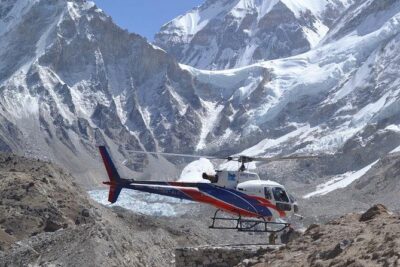
Everest Base Camp Helicopter Tour with Hotel Everest View Landing
Read our review →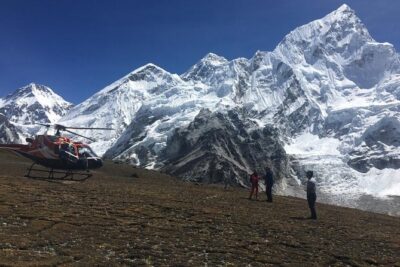
Guaranteed Landing at Everest Base Camp Kalapathar by Helicopter
Read our review →
Everest Base Camp Helicopter Tour landing at Everest View Hotel.
Read our review →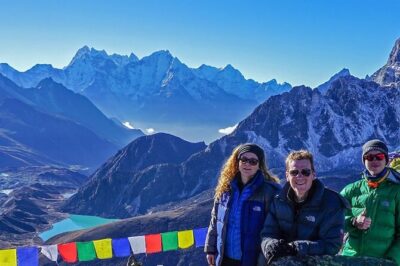
Everest Base Camp Trek with Helicopter Return to Lukla – 10 Days
Read our review →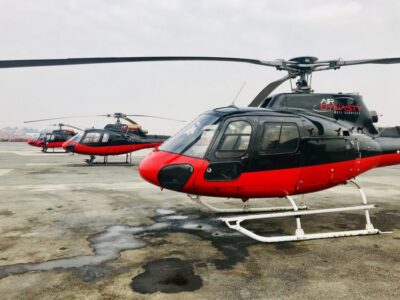
Browse the lists this tour appears in