REVIEW · GLACIER & SNOW LANDING HELICOPTER TOURS
Mount Cook: Scenic Helicopter Flight with Alpine Landing
Mount Cook looks different from above. This 25-minute helicopter flight carries you up the Tasman Valley, past a vivid glacier lake, then lands among the Southern Alps with Aoraki Mount Cook in view. I like the small group size, limited to six people, and the pilot commentary that turns a beautiful ride into a clearer picture of the valleys and ice below. I also like that the flight gives you a mountain landing without requiring a full-day trek.
The main catch is weather and season. Snow landings happen about 95 percent of the year, but summer snowfall can be thin, so the landing surface is not guaranteed. At $226 per person, this is a serious spend for 25 minutes, although the flight time feels longer to some passengers because the landing itself allows about 15 minutes for photos and mountain views.
Key points before you book
- The flight follows the Tasman Valley: You see Aoraki Mount Cook, snow-covered ranges, glaciers, and a striking blue glacier lake from the air.
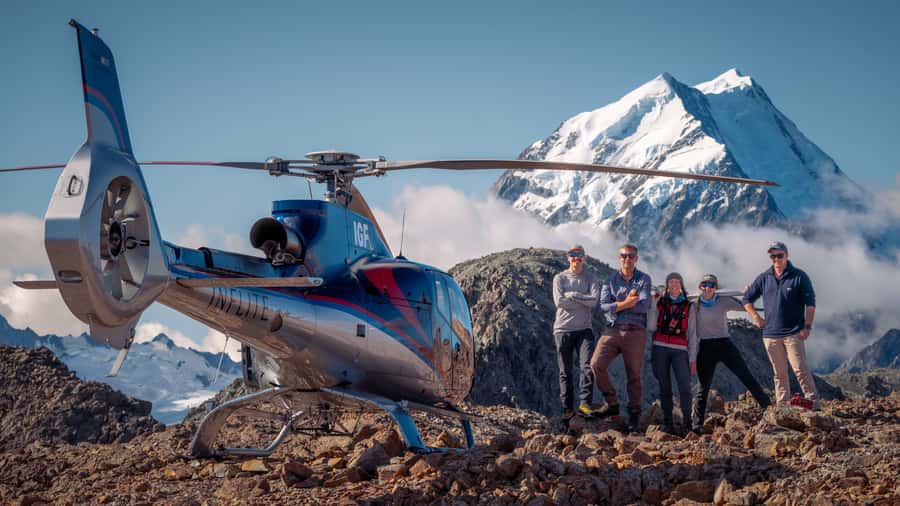
- The alpine landing is the centerpiece: You get out of the helicopter among the Southern Alps for photos and a close look at the mountain setting.
- Snow is likely, not promised: The company reports snow landings around 95 percent of the year, with summer being the least certain period.
- Six passengers is the maximum: A small aircraft group makes the ride feel personal, though four adults in the back can feel cosy.
- Pilot commentary adds real value: Pilots including Jake, Simon, Mark, Dylan, Sam, and Zippy have been praised for clear information, calm safety briefings, and friendly conversation.
- Weather can change your schedule: Flights may be postponed or rescheduled, but a weather cancellation comes with a refund or a new flight time.
Taking off from Mount Cook Aerodrome
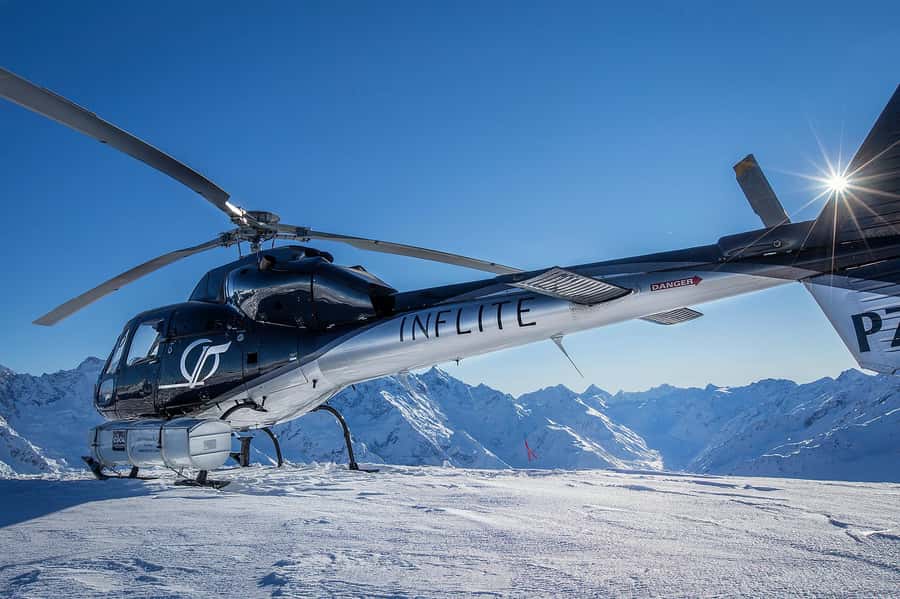
The meeting point is Mount Cook Aerodrome on Mount Cook Road, a short drive from Aoraki Mount Cook Village. Pickup and drop-off can be arranged from the village, but you need to contact the local operator directly. Check-in closes 45 minutes before departure, so do not treat this as a last-minute airport dash.
Before boarding, expect the usual aviation checks, including passenger weights and aircraft balance. The maximum passenger weight is 116 kilograms, or 255 pounds, and the company can reschedule a flight if the combined weight of the group reaches the aircraft limit. That rule can feel awkward, but it is a normal safety matter for a small helicopter.
Bags are not allowed onboard. Bring your phone or camera, sunglasses, and closed-toe shoes, but leave larger belongings behind. You can use a camera during the flight, and several pilots have kindly taken photos for passengers using their own cameras.
The small group format matters here. Six people is the stated limit, but the actual aircraft may carry fewer. One passenger described a particularly spacious flight with only two passengers and the pilot. Another found four adults in the back a little tight. Seating can also vary. You might get a front seat, but it is not guaranteed, and couples may not sit together if the front positions are shared among the group.
More Glacier Helicopter Tours in New Zealand
- Mount Cook: Ski Plane and Helicopter Glacier Combo Flight
★ 4.6 · 271 reviews - Mount Cook: 3 Hour Heli Hike to the Tasman Glacier
★ 4.7 · 218 reviews - Mount Cook and The Glaciers 55-Minute Helicopter Flight
★ 4.5 · 133 reviews
The first views of Aoraki Mount Cook
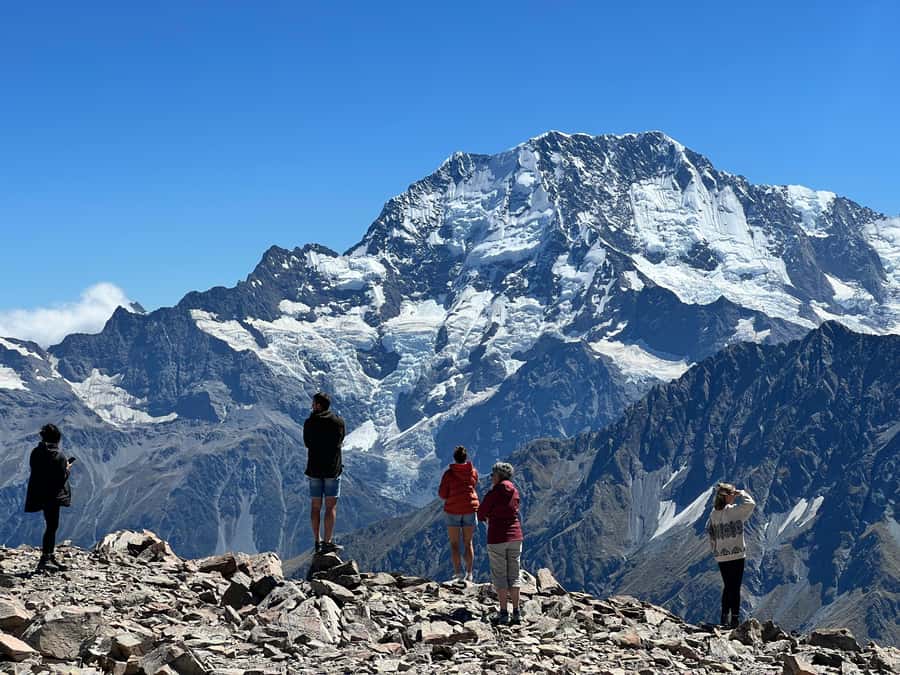
Once airborne, the reward arrives quickly. Aoraki Mount Cook and the surrounding snow-covered peaks appear from an angle that is impossible from the valley floor. The helicopter gives you height without asking for a long hike, making this a strong choice if your time in the national park is limited.
I like the way this flight combines broad views with close mountain detail. From the ground, you can admire the peaks, but from the helicopter you can trace the valleys and see how glaciers cut through the Southern Alps. The pilot’s commentary helps identify what you are looking at, rather than leaving you with a string of impressive but nameless views.
The ride itself has been described as smooth, and the helicopter moves slowly enough for photos. That matters more than it sounds. A fast scenic flight can leave you chasing views through a window, while a measured route gives you a better chance to take in the ice, rock, and changing light.
Still, 25 minutes is not a long flight. One passenger felt the time passed very quickly and preferred a longer route. If your main goal is extended aerial sightseeing, compare this short flight with longer helicopter or ski-plane options around Mount Cook. If your main goal is the landing, this format makes more sense.
Following the Tasman Valley to the glacier lake
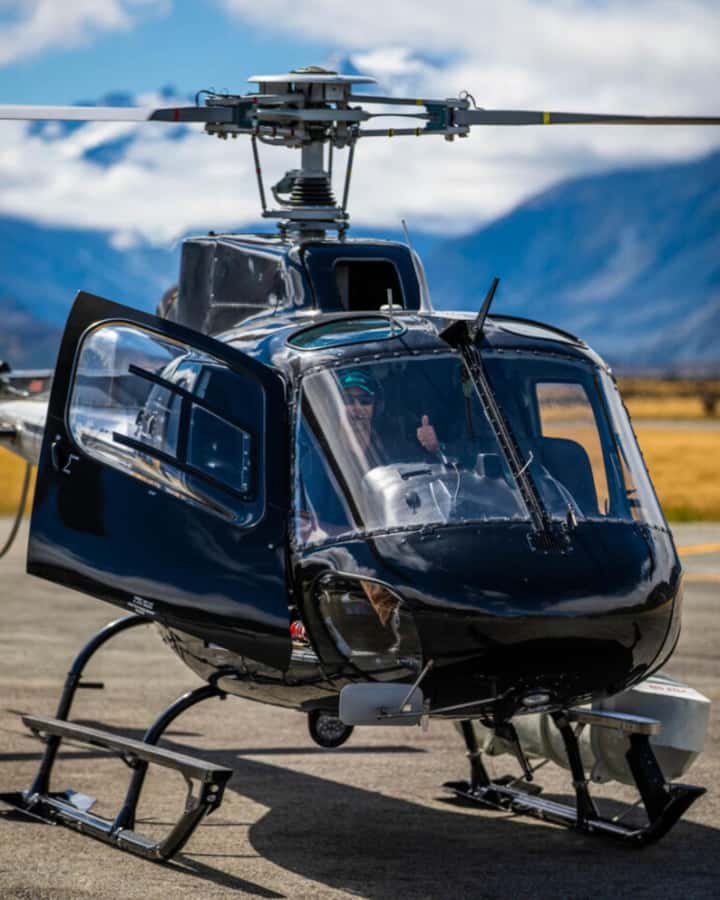
The flight heads through the Tasman Valley, one of the defining features of the national park. From above, the valley gives you a sense of scale that a roadside lookout cannot match. The mountains do not appear as isolated peaks. They connect through ridges, ice, and long folds in the valley.
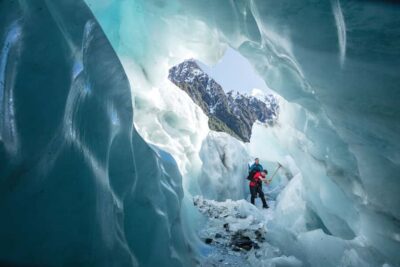
A glacier lake is another key sight on the route. Its blue color gives the flight a memorable focal point, especially when seen against the surrounding ice and mountains. The exact views depend on weather, light, and the route flown that day, so you should not expect every flight to look identical.
The pilot’s narration is part of the value. Several passengers praised pilots for explaining the glaciers and pointing out what they were seeing without overloading the flight with facts. Mark, Dylan, Simon, Jake, Sam, and Zippy were all singled out for being friendly and informative on different departures.
You should also expect the pilot to balance commentary with safety and the practical business of flying. The best flights are not simply scenic rides. You get context about the area, a clear explanation of the landing, and enough quiet time to look out the window.
Landing among the Southern Alps
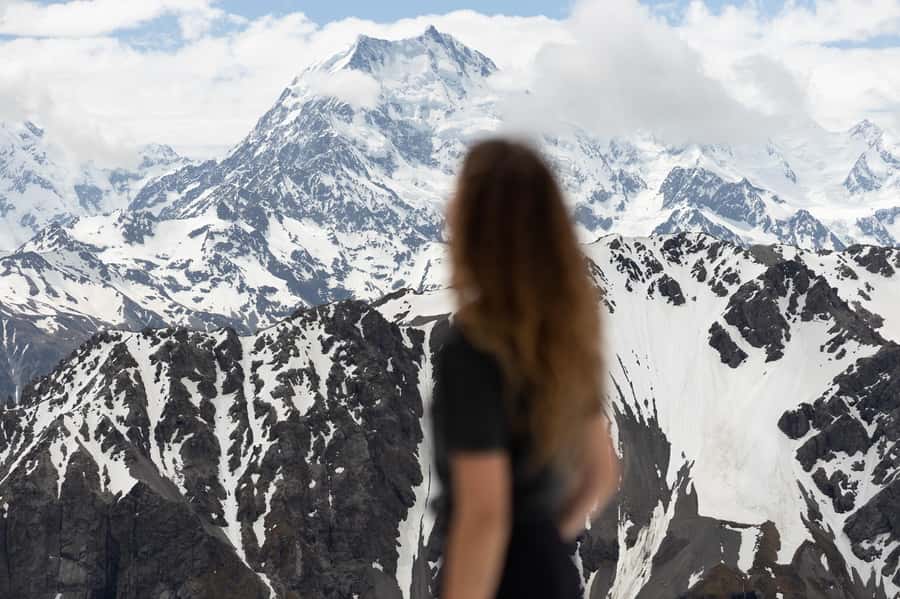
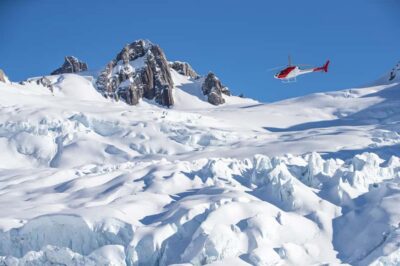
The alpine landing is the reason to choose this option over a standard scenic flight. The helicopter touches down on a mountain in Aoraki Mount Cook National Park, giving you time to step out and look around. Depending on the conditions, you may find snow underfoot and views directly toward Aoraki Mount Cook.
This is a short stop, but it changes the character of the trip. You are no longer watching the mountains through glass. You can stand in the cold mountain air, take photographs, and see the scale of the surrounding peaks from the landing site.
Allow roughly 15 minutes at the landing area, based on one passenger’s timing. That is enough for photos and a good look around, but it is not an expedition or a walk across a glacier. You remain with the helicopter group and return to the aircraft for the flight back to Mount Cook Aerodrome.
The landing surface needs careful wording. The experience is advertised as an alpine landing, and snow landings are common. Some passengers describe landing on a glacier or snowfield, but snow cannot be guaranteed throughout the year. Summer is the main concern because a lack of new snowfall can make a snow landing impossible.
If standing on snow is essential to your plans, consider the separate ski-plane and helicopter glacier flight, which is promoted as offering guaranteed snow landings all year. For this 25-minute experience, book it for the mountain views and alpine stop, while treating snow as a welcome bonus rather than a promise.
More Scenic Helicopter Flights in New Zealand
- Mount Cook: 50-Minute Aoraki Scenic Helicopter Flight
★ 4.7 · 10 reviews - Mount Cook Scenic 35 Minute Helicopter Flight
★ 5.0 · 6 reviews - Mt Cook: 55-Minute Scenic Flight in Helicopter or Ski Plane
★ 4.1 · 6 reviews - Bay of Islands and Hole in the Rock Scenic Helicopter Tour
★ 5.0 · 115 reviews
What the weather can change
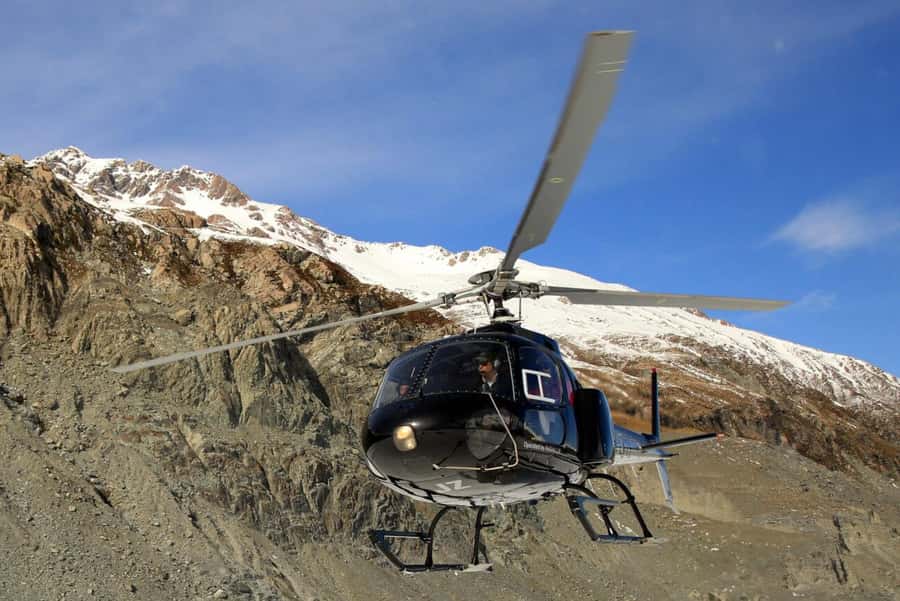
Mount Cook weather is not a minor detail. Clouds, wind, and visibility can affect the flight route, the landing, or the entire departure. A morning flight may be canceled and moved to a later slot, as happened to passengers who were then rebooked successfully.
That flexibility can save the day if you have time in the area. One passenger was rescheduled after poor morning weather and praised the communication. Another group needed three days before a clear, cloudless departure finally worked. If your schedule is tight, book early enough in your stay to leave room for a change.
If weather cancels the flight, you are offered either a full refund or a rescheduled tour. The exact flight date and time are confirmed by email from the local operator after booking and may differ from the time you initially requested. Check your messages and keep the day flexible.
Clear weather makes an enormous difference. On a good day, you can see the mountains, glaciers, and landing area with sharp definition. In poor conditions, the experience may become mainly a helicopter ride with reduced views, or it may not operate at all. That is not a flaw in the company. It is simply the reality of flying in a high mountain area.
Is $226 good value for 25 minutes?
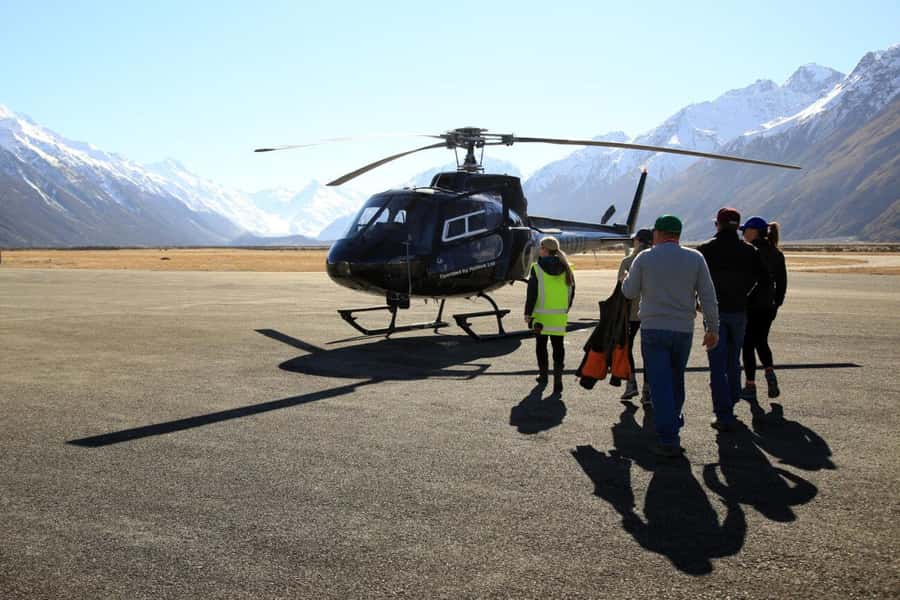
At $226 per person, this is not a cheap way to see Mount Cook. You are paying for an aircraft, a trained pilot, safety controls, a small group, and access to a mountain setting that would take far longer to reach on foot.
The value is strongest if you want three things at once: a helicopter flight, an aerial view of the Tasman Valley, and time outside at an alpine landing. A normal viewpoint can show you Aoraki Mount Cook, but it cannot put you among the Southern Alps or let you look down on the glacier lake from the air.
The value is weaker if you mainly want a long scenic flight. Twenty-five minutes can pass quickly, and one passenger felt the trip was short for the price. You should also remember that the flight includes landing time. If you prefer to stay airborne for most of the trip, look at a longer flight option.
For many people, the small group and strong pilot service help justify the cost. Passengers repeatedly praised the ground crew as professional and the pilots as friendly, calm, and informative. The experience is not just about getting from the aerodrome to a viewpoint. It is about the entire short operation working cleanly, from check-in to landing and return.
Comfort, clothing, and photographs
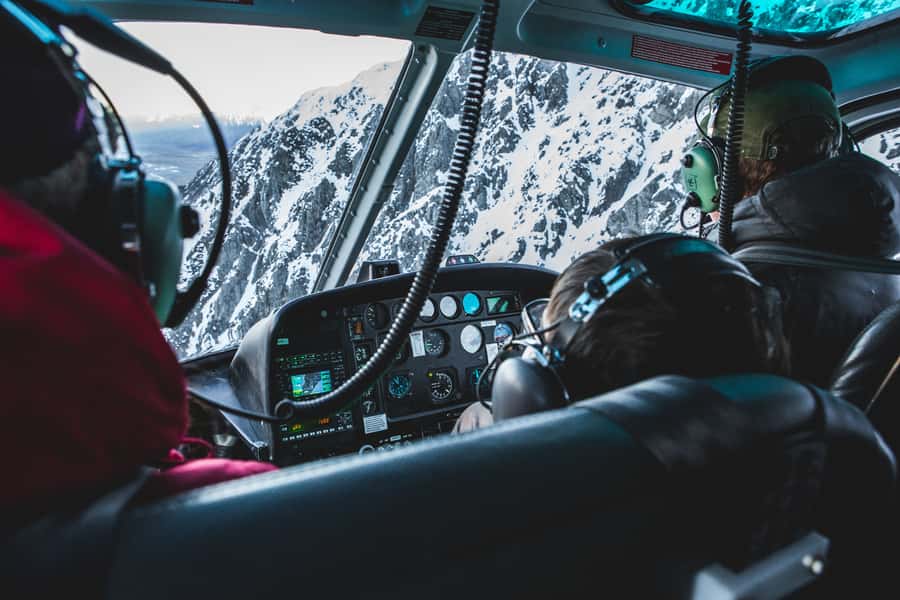
Wear layers. The aerodrome may feel comfortable, while the landing area can be cold and windy. Closed-toe shoes are required, and practical footwear will serve you better than anything delicate or open.
Sunglasses are useful because snow and bright ice can reflect a great deal of light. You can bring a camera or phone, but no bags are allowed. Keep your camera ready before takeoff, since the best view may appear before you reach the landing area.
There is no cafe or other refreshment stop at the remote landing area. Plan to eat and drink before or after the flight, especially if you are arranging an early departure. The alpine stop is for scenery and photographs, not comfort facilities.
Photo opportunities are excellent, but do not let the camera take over. The landing area is short, and some passengers found that most of their time went into taking pictures. Ask the pilot to take a few photographs of you if appropriate, as several pilots have done this for passengers.
Who will enjoy this flight most?
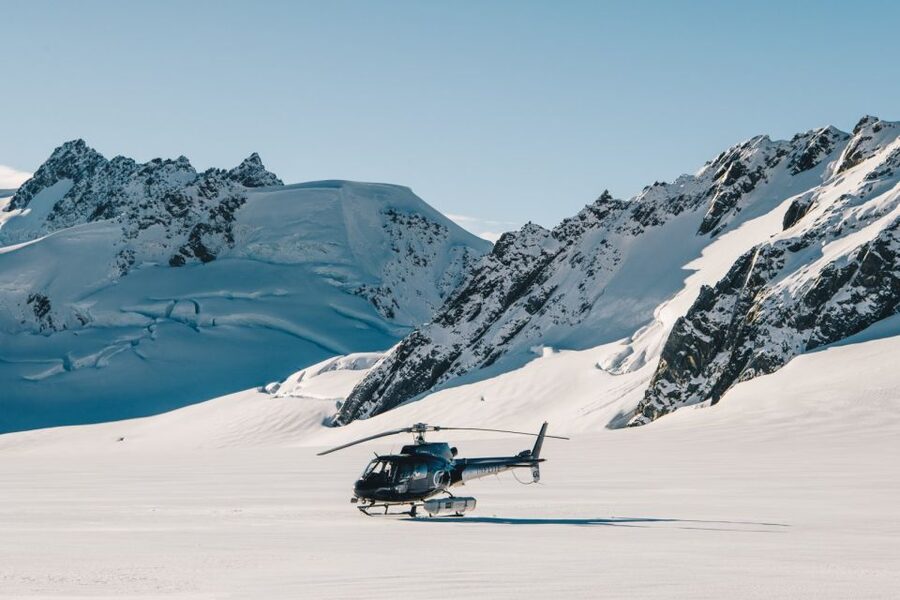
I would recommend it to you if you have limited time in Mount Cook Village but still want a close look at the mountains. It also suits people who cannot or do not want to take a long mountain walk but would like to reach an alpine setting.
It works well for first-time helicopter passengers, too. One passenger felt nervous during the first few minutes, then settled into the ride. The pilots are praised for explaining the flight and landing clearly, which helps if the helicopter is new to you.
Couples and families should discuss seating expectations. The group is small, but front seats are not promised, and you may be separated from your partner. The back seats can be cosy with four adults, though everyone receives a view.
This is less suitable if you need a guaranteed snow landing, dislike weather-related changes, or want a long aerial tour. Passengers over 116 kilograms cannot take part, and the company may adjust the departure if the aircraft weight limit is reached.
Booking advice and final verdict
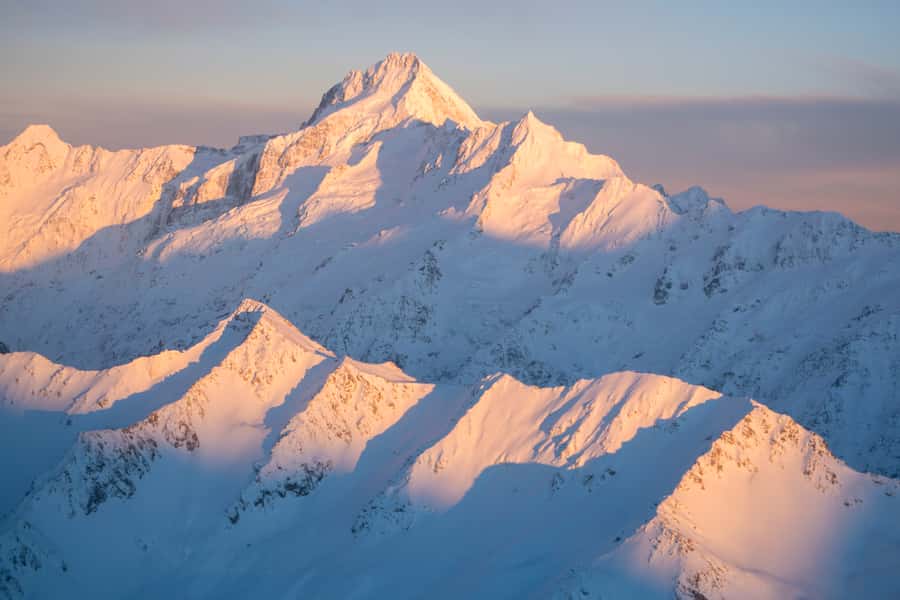
Book this flight if the alpine landing matters as much as the views. You get a compact, well-organized trip with a strong chance of snow, good aerial views of the Tasman Valley, and time to stand among the Southern Alps.
I would leave spare time in your Mount Cook itinerary in case weather moves the flight. Wear warm layers, bring only your phone or camera, and arrive 45 minutes before departure. If you want guaranteed snow in every season, choose the ski-plane and helicopter glacier option instead.
For most visitors, this is a worthwhile splurge. The flight is brief, but it gives you access to views and a mountain landing that are difficult to reach any other way. Just understand what you are buying: a polished 25-minute introduction to the high country, not a full-day glacier adventure.
FAQ
How long is the Mount Cook helicopter flight?
The experience lasts 25 minutes, including the scenic flight and alpine landing.
Where does the flight depart?
It departs from Mount Cook Aerodrome on Mount Cook Road in Mount Cook, New Zealand.
Is an alpine landing included?
Yes. The experience includes an alpine landing in Aoraki Mount Cook National Park.
Can I land on snow?
Snow landings occur approximately 95 percent of the year, but they are not guaranteed because summer can bring too little snowfall.
Is there an option with a guaranteed snow landing?
The separate Mount Cook ski-plane and helicopter glacier flight is promoted as offering guaranteed snow landings all year round.
How many people can join the flight?
The group is limited to six participants.
What should I bring?
Bring sunglasses and closed-toe shoes. You may use a phone or camera during the flight, but bags are not allowed.
Can I arrange pickup from Mount Cook Village?
Pickup and drop-off are available in Mount Cook Village, but you need to contact the local operator directly to arrange it.
What happens if bad weather cancels the flight?
You can receive a full refund or reschedule the flight if weather conditions cause a cancellation.
Is there a passenger weight limit?
Yes. The maximum passenger weight is 116 kilograms, or 255 pounds. The flight can also be rescheduled if the combined passenger weight reaches the aircraft safety limit.
More Scenic Helicopter Flights in Mount Cook
- Helicopter Scenic Flight over Victoria Falls 12-13 minutes Flight
★ 5.0 · 1,391 reviews - Niagara Falls, Canada: Scenic Helicopter Flight
★ 4.8 · 1,068 reviews - Cairns: Great Barrier Reef Cruise & Scenic Helicopter Flight
★ 4.7 · 1,003 reviews - Cape Town: 12-Minute City Scenic Helicopter Tour
★ 4.8 · 853 reviews
More Glacier Helicopter Tours in Mount Cook
- The Adventurer: Tasman Glacier Heli-hike
★ 5.0 · 92 reviews - 45-Minute Glacier Highlights Helicopter Tour from Mount Cook
★ 5.0 · 57 reviews - 25-Minute Helicopter flight including an alpine landing
★ 4.5 · 49 reviews - Mount Cook: Alpine Vista Helicopter Flight with Alpine Landing
★ 4.5 · 39 reviews
Just added around Mount Cook
- Mount Cook: Mountains High 40-Minute Helicopter Flight★ 5.0 · 53 reviews
- Mount Cook: Alpine Vista Helicopter Flight with Alpine Landing★ 4.5 · 39 reviews
- Mount Cook Alpine Explorer Helicopter Flight with Alpine Landing★ 4.0 · 22 reviews
- Glentanner High Country Heli Hike★ 5.0 · 52 reviews
- Mount Cook Scenic 35 Minute Helicopter Flight★ 5.0 · 6 reviews
- Mount Cook: 3-Hour Tasman Glacier Heli-Hike★ 4.5 · 29 reviews
- 25-Minute Helicopter flight including an alpine landing★ 4.5 · 49 reviews
- 55-Minute Grand Circle Helicopter★ 4.5 · 36 reviews
Glacier & Snow Landing Helicopter Tours, compared.
Alaska Helicopter Tour with Glacier Landing – 60 mins – ANCHORAGE AREA
Read our review →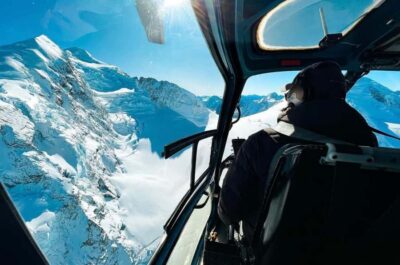
Franz Josef Glacier: Helicopter Flight & Alpine Landing
Read our review →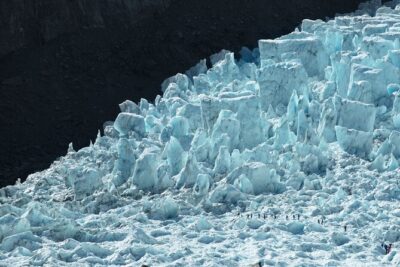
Alaska Helicopter and Glacier Dogsled Tour – ANCHORAGE AREA
Read our review →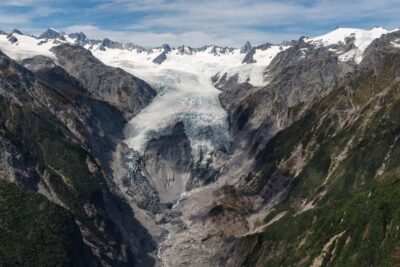
Franz Josef & Fox Glaciers Helicopter Flight & Snow Landing
Read our review →